
Gynaecological Surgery via Laparoscopy: What Conditions Does It Treat and When Is It Indicated?
The phrase "surgery" can make anyone nervous. For women with a gynaecological disorder, the worry can be considerably more pronounced. Is the operation painful? What will be cut? How long will I be in rehab? And, perhaps most crucially, will the treatment influence fertility?
Modern surgical advances have made many gynaecological procedures less invasive than they used to be. Laparoscopic gynaecologic surgery, sometimes called keyhole surgery, can be used to accomplish numerous treatments. Instead of one major incision into the abdomen, doctors make several small incisions.
But laparoscopic surgery isn't the answer for every woman or every problem. The decision relies on diagnosis, severity of the problem, past surgeries, overall health, fertility plans and the surgeon's assessment.
So what is laparoscopic gynaecological surgery, what can it treat, and when could your gynaecologist suggest it?
What Is Laparoscopic Gynaecological Surgery?
Laparoscopic gynaecologic surgery is a minimally invasive surgical procedure used to diagnose and treat disorders affecting the female reproductive system and pelvic organs.
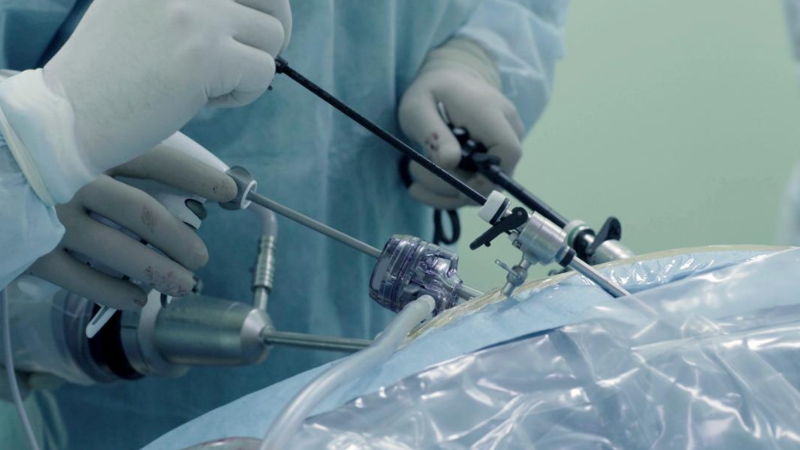
Instead of a major cut into the stomach, the surgeon makes small cuts, usually in the abdomen. Through one of the incisions, a thin instrument with a camera and light, called a laparoscope, is introduced. The camera allows the surgeon to see the pelvic organs on a monitor.
Further minor cuts may be made to allow the use of specialised surgical instruments during the procedure. Laparoscopy is usually conducted under general anaesthesia.
Laparoscopic surgery, with its smaller incisions, may have advantages over open surgery such as reduced postoperative pain, smaller scars, shorter hospital stay and a quicker return to regular activities for suitable treatments.
What Are the Indications for Laparoscopic Surgery?
If you have a gynaecological condition that necessitates surgery, your doctor may suggest laparoscopy if your condition can safely be managed with a less invasive procedure.
Your gynaecologist might consider laparoscopy for:
- Severe or persistent symptoms
- Symptoms that medication has not been enough to ease
- A condition affecting fertility
- A suspected ovarian cyst or other pelvic abnormalities
- Diagnosis or treatment of endometriosis
- Fibroids, where surgery is one way to treat them
- An ectopic pregnancy that requires surgery
- A hysterectomy or other gynaecological operation
- Pelvic pain or reproductive difficulties whose source is unknown following further testing
Importantly, surgery is not necessarily the first treatment. Depending on the issue, your doctor may initially suggest medication, observation or other non-surgical methods.
The decision should be based on your own medical situation.
Conditions Treated by Laparoscopic Gynaecologic Surgery
1. Endometriosis
Endometriosis is one of the disorders that is most usually diagnosed and treated laparoscopically.
It occurs when tissue comparable to the lining of the uterus grows outside of it, often damaging the ovaries, fallopian tubes and other pelvic organs. It can cause painful periods, constant pelvic pain, pain during sex and problems getting pregnant.
Medicine can be used to treat symptoms, however surgery can be considered if symptoms are still considerable, medicine is not successful, or endometriosis is harming fertility.
The gynaecologist can visualise the pelvic organs during laparoscopic surgery and treat visible endometriosis when necessary. Depending on the individual case, associated ovarian cysts or adhesions may also be treated.
2. Ovarian Cysts
Ovarian cysts are common and many will resolve without therapy.
If a cyst is very large, produces considerable symptoms, or there is worry that it could be malignant, surgery may be advised. The kind of surgery relies on criteria like the size of the cyst, the patient's age, fertility plans and the characteristics of the cyst.
If the cyst is thought to be amenable to minimally invasive therapy, laparoscopic surgery may be performed.
A cystectomy is a surgical procedure to remove the cyst while trying to save the ovary. Sometimes the ovary itself has to be removed, which is called an oophorectomy.
This is an important factor for women who wish to retain their fertility and should be discussed with the gynaecologist prior to surgery.
3. Fibroids of the Uterus
Fibroids are noncancerous growths that occur in or around the uterus. Most fibroids do not need treatment, but others might cause heavy menstrual bleeding, pressure in the pelvis, pain, or fertility difficulties.
Sometimes the size and location of the fibroid makes it possible to remove it with minimally invasive surgical procedures.
A myomectomy removes fibroids but keeps the uterus intact. The surgical approach may be laparoscopic, hysteroscopic or open, depending on the individual instance.
For women who want to become pregnant in the future, keeping the uterus could be an important element of treatment planning.
4. Extrauterine (Ectopic) Pregnancy
An ectopic pregnancy is when a pregnancy grows outside of the uterus, most often in a fallopian tube.
An ectopic pregnancy may be treated with medication, monitoring or surgery, depending on the circumstances. When surgery is needed, laparoscopy is often employed.
If there is an emergency such as a ruptured fallopian tube, surgery is needed urgently.
Symptoms that demand urgent medical attention include severe stomach or pelvic discomfort, vaginal bleeding, and dizziness or fainting during early pregnancy, because an ectopic pregnancy can become life-threatening.
5. Adhesions in the Pelvis
Pelvic adhesions are bands of scar tissue that can cause organs and tissue in the pelvis to bind together.
Previous surgery, infection, endometriosis or other pelvic problems might cause them.
In appropriate circumstances, laparoscopic surgery can be performed to discover and treat adhesions. Whether surgery is suitable depends on the symptoms, how severe they are, and what is causing them.
6. Unexplained Pelvic Pain
Sometimes women suffer pain in the pelvic area that doesn't go away even after ultrasound scans and other tests have failed to find a clear reason for it.
In some circumstances, a gynaecologist may recommend diagnostic laparoscopy to view the pelvic organs directly.
This can be useful in the diagnosis of disorders such as endometriosis, adhesions or other abnormalities that may not have been obvious on prior studies. ACOG states that if painful periods do not improve with medicine and the cause has to be investigated, laparoscopy may be considered.
7. Conditions Related to Fertility
Sometimes laparoscopy may be part of the evaluation or therapy of specific reproductive disorders.
It can let a surgeon see the uterus, ovaries, fallopian tubes and other pelvic structures, and diagnose conditions including endometriosis, adhesions or certain anomalies.
However, not all women who have trouble getting pregnant need to have laparoscopic surgery. Fertility examinations are tailored to the individual, and your fertility specialist will assess whether laparoscopy may offer helpful diagnostic or therapeutic information.
8. Removal of the Uterus
A hysterectomy is the surgical removal of the uterus. The cervix, fallopian tubes and ovaries may also be removed depending on the cause for the surgery.
In some people, hysterectomy can be performed laparoscopically rather than through a wider abdominal incision.
The choice of surgical method relies on the state of the patient, the size and form of the uterus, previous surgery and the surgeon's judgement.
Minimally invasive techniques for benign gynaecological diseases may confer benefits such as shorter hospital stay and faster recovery in appropriately selected patients relative to standard abdominal surgery.
What Happens During Laparoscopic Gynaecology Surgery?
Laparoscopic surgery is normally conducted under general anaesthetic.
The surgeon normally makes a small incision near the belly button and inserts the laparoscope. Carbon dioxide gas is often utilised to gently expand the belly so the surgeon has room to view and work.
Small additional incisions may be created to allow surgical instruments.
The instruments are withdrawn when the procedure is over, the gas is expelled and the incisions are stitched.
The length of surgery varies with the technique performed. A diagnostic laparoscopy may be very short, whereas more intricate surgery may take much longer.
What Will Recovery Mean?
One of the main benefits of laparoscopic surgery is a faster recovery period compared to similar open surgical procedures. Recovery time varies depending on the technique.
Many people can be discharged from hospital on the same or next day if there are no issues.
Some short-term symptoms are frequent after laparoscopy, including abdominal discomfort, bloating, weariness and shoulder-tip soreness from the gas used in the surgery.
Your medical team will give you guidelines about wound care, medication, exercise, driving, and returning to work.
A basic diagnostic operation may have a short recovery period, whereas more extensive laparoscopic surgery may take several weeks to recover from fully.
What Are the Risks of Laparoscopic Surgery?
As with every surgical treatment, laparoscopy includes possible dangers.
Rare problems include bleeding, infection, blood clots, damage to neighbouring organs or blood vessels, and complications connected to anaesthesia. If it is regarded as safer, the laparoscopic procedure may need to be converted to an open operation in some cases.
Your gynaecologist should talk about the possible risks and benefits before the treatment.
Is Laparoscopic Surgery Appropriate for Everyone?
No.
Laparoscopic surgery is an important part of modern gynaecologic treatment, but it is not always the best course of action for every patient.
The type of surgery will depend on:
- The ailment being treated
- Size and location of the problem
- The intricacy of the method
- History of abdominal or pelvic surgery
- General health
- Family planning goals
- The ability of the surgeon
- Technical feasibility of minimally invasive surgery
The focus should always be on safe and effective therapy, not only the tiniest possible incision.
Laparoscopy and Your Fertility
This is especially crucial for women who are contemplating a pregnancy.
The effect of the operation and of the disease on fertility varies according to the individual case.
Certain laparoscopic operations are designed to protect the reproductive organs. For example, an ovarian cystectomy may be performed to preserve the ovary where appropriate, and a myomectomy can remove fibroids while leaving the uterus intact.
But every operation is unique. Before treatment, discuss your fertility goals with your gynaecologist or fertility specialist.
When to See a Gynaecologist
You should never ignore persistent pelvic pain, very painful periods, heavy menstrual flow, unexplained reproductive issues, recurrent ovarian cysts or other persisting gynaecological symptoms.
Laparoscopic surgery may or may not be indicated. The first thing to do is find out what is causing the symptoms.
Your gynaecologist will take a medical history, do the appropriate examination and suggest investigations such as ultrasound or other imaging when indicated.
If surgery is being explored, ask why it is being recommended, what other options are available, and whether a laparoscopic technique is suitable for you.
The Right Surgery Comes From the Right Diagnosis
Laparoscopic gynaecological surgery has revolutionised the diagnosis and treatment of many women's health issues.
Laparoscopic surgery can be an attractive choice for suitably selected individuals, with minimal incisions, less postoperative discomfort, shorter hospital stays and a potentially speedier recovery.
But the optimal surgical approach depends on the woman.
The best option for you depends on the disease, how serious it is, your medical history, your plans for fertility and your needs.
If you have had ongoing problems with your gynaecological health or have been advised to have surgery, see a trained gynaecologist. Knowing your diagnosis and treatment options can help you make a more informed decision and approach your treatment with confidence.
If you're experiencing persistent pelvic pain, fertility concerns, or have been advised laparoscopic surgery, book a consultation with our specialists at G.R. Hospital, Kosi Kalan.