
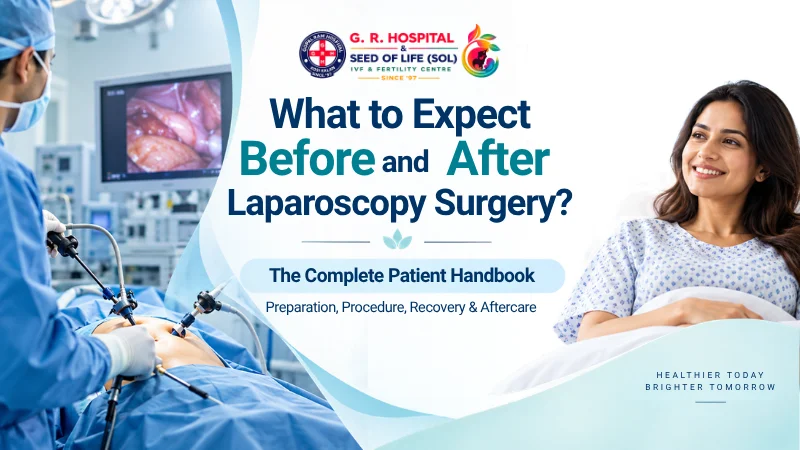
What to Expect Before and After Laparoscopy Surgery? The Complete Patient Handbook
It’s common to have questions and feel unsure about having an operation. You will have questions about what happens before the operation, if you need to prepare in a special way, how much pain you may feel, how long you will be in hospital and how soon you will be able to get back to your normal routine.
Laparoscopic surgery (keyhole or minimally invasive surgery) has enabled many abdominal and gynecological operations to be carried out through smaller cuts than traditional open surgery. While this can bring a lot of potential benefits, knowing what to expect can make the experience seem a whole lot more manageable. Patients searching for Laparoscopic Surgery Mathura , Laparoscopic Surgery Kosi or Laparoscopic Surgery Brij Dham can access this keyhole approach at GR Hospital in Kosi Kalan.
This guide gives you an idea of what to expect before and after a laparoscopic operation in general, from preparation and anesthesia to recuperation and returning to everyday activities.
What is Laparoscopic Surgery
Laparoscopic surgery is a minimally invasive procedure used to detect or cure diseases of the internal organs in the abdomen or pelvis.
Rather than a single major cut, the surgeon often makes multiple smaller cuts. A thin instrument with a light and camera called a laparoscope is introduced into an opening. The camera enables the surgeon to see the inside of the organs on a monitor.
Other small incisions can be made to allow the use of specialized surgical instruments.
In gynecology laparoscopic surgery is used to treat problems such as endometriosis, ovarian cysts, uterine fibroids, ectopic pregnancy, pelvic adhesions and chosen hysterectomy procedures. For women looking for Gynecological Surgery Mathura , our gynecology team at GR Hospital assesses every case first, and the same care is available to patients seeking Gynecological Surgery Kosi or Gynecological Surgery Brij Dham.
What to Expect Before Laparoscopic Surgery
Laparoscopic surgery is a key element of preparation. Your health care team will tell you what to do based on the sort of treatment you are having and your health.
1. Meeting With Your Surgeon
Prior to surgery your surgeon will review your condition, the reason for the recommendation of surgery and if laparoscopic surgery is right for you. At our Laparoscopic Gynae Mathura clinic, this first consultation is where fibroids, cysts and endometriosis cases are reviewed, and patients looking for Laparoscopic Gynae Kosi or Laparoscopic Gynae Brij Dham receive the same assessment at our Kosi Kalan hospital.
You could be asked about:
- Your health history
- Previous abdominal or pelvic surgery
- Medications currently
- Allergy
- Previous responses to anesthesia
- Other health conditions
- Pregnancy or planning for fertility, as appropriate
It is also an opportunity to ask questions about the surgery, its potential hazards, recovery time and alternatives. If fertility is a concern, you can also ask about our IVF Centre in Kosi Kalan, which many families regard as the Best IVF Centre in Kosi and the Best IVF Centre in Brij.
2. Tests before surgery
Depending on the operation and your health you may require specific diagnostics prior to surgery.
These might include blood tests, urine tests, imaging or other examinations. An anesthetist may assess your medical history and discuss the type of anesthesia to be used.
Not every patient needs the same testing. Your medical team will decide what is right for you.
3. Directions for Medicine
Tell your doctor about any other medicines, supplements and herbal products you use.
Some medicines may need to be changed briefly before surgery. But never stop taking prescription medications on your own unless your health care provider directs you to do so.
Following your doctor’s recommendations attentively can assist to reduce preventable hazards.
4. Fasting prior to surgery
Laparoscopic surgery is usually performed under anesthesia therefore you will normally be given advice on when to cease eating and drinking before your operation.
The specific fasting guidelines may depend on your treatment and anesthesia strategy.
Make sure you follow the directions given by your hospital or anesthetist – not generic advice.
5. Pre-operative Planning for Surgery Day
Depending on the method, laparoscopic surgery may be a day-care operation or may necessitate a hospital stay.
It helps to have transportation arranged and someone available to stay with you following the procedure if your medical staff advises this.
You may also want to prepare your home in advance. Keep things you may need close and plan to get some rest in the first days of recovery.
What Happens in Laparoscopic Surgery?
On the day of your surgery, you will be prepared for the operation and usually given general anesthetic, meaning you will be sleeping during the operation.
The surgeon makes small incisions and puts the laparoscope and other surgical tools through those.
Carbon dioxide gas is often pumped into the belly to provide room so that the surgeon can see and work safely.
Then the surgeon carries out the intended operation, utilizing images on the monitor as a guide.
When the surgery is done, the instruments are taken out and the little incisions are closed.
The duration of the surgery is mostly dependent on the problem being treated and the complexity of the treatment.
What to Expect Right After Laparoscopic Surgery
Following the operation you will be transferred to a recovery area where your healthcare team will keep an eye on you as you come round from anesthesia.
Initially, you may feel weary or sleepy.
You might experience:
- Mild abdominal pain
- Fatigue
- Gas
- Tenderness surrounding the incision
- Feeling dizzy or sick
- Pain in the apex of the shoulder
There may be some shoulder tip soreness from the carbon dioxide gas utilized in the surgery. Usually of a transient nature.
Your healthcare staff may recommend medication to help control pain or other symptoms.
How long will you be in the hospital?
The length of your hospital stay will depend on the type of laparoscopic surgery you have and how you recuperate right after the procedure.
With some quite simple laparoscopic surgeries, you may be able to go home the same day or the next day.
More difficult procedures may require prolonged hospitalization.
Your surgeon can offer you a better realistic estimate based on your particular treatment.
Rehabilitation after Laparoscopic Surgery
One of the possible benefits of laparoscopic surgery is that for some treatments recovery may be quicker than with similar open surgery.
But healing is really individual.
You may feel weary and have some tummy discomfort during the first few days. Gentle activity is usually advised according to your medical team’s directions, but rigorous activities may need to be avoided initially.
Your surgeon will tell you when you can get back to:
- Everyday household tasks
- Exercise
- Driving
- Sexual activity
- Work
- Lifting higher weights
Don't be so eager to heal just because your cuts look little. The mending within could take longer than the wounds on the skin would indicate.
How to Care for Your Incisions
Your health care team will provide you with instructions to care for your surgery wounds.
Keep the incision areas clean and follow the recommendations about bathing, dressings and medications.
There may be some redness, pain or slight swelling around the incision sites as they heal. But if you have symptoms that concern you, ask your healthcare professional.
If you experience any signals such as growing discomfort, considerable swelling, odd discharge, persistent fever or any symptoms your medical team has advised you about, seek immediate attention.
When Can I Resume Normal Activities?
Laparoscopic surgery recovery time varies.
Recovery time for a diagnostic laparoscopy may be quite brief while more complicated procedures may take several weeks.
The timing of your return to work will depend on the type of surgery, how physically demanding your profession is and how your rehabilitation is going.
Your surgeon will be able to provide you individual advice rather than a predetermined schedule.
Most importantly, listen to your body and don’t compare your recovery to others.
When to Call Your Doctor
It is normal to feel uncomfortable and exhausted after surgery but there are several signs you should not overlook.
If you experience the following, contact your healthcare team:
- Severe or worsening stomach ache
- Continued fever
- Bleeding badly
- Increased redness or swelling at the site of the incision
- Pus or unusual drainage from the wound
- Frequent vomiting
- Breathing difficulties
- Symptoms that are getting worse instead of better
Your hospital or surgeon can present you with more warning flags related to your operation. Always follow those directions.
Questions to Ask Prior to Having Laparoscopic Surgery
Learning can increase your confidence in your treatment. Ask your surgeon to think about:
- What is the purpose of laparoscopic surgery?
- Is laparoscopic surgery the right choice for me?
- What are the advantages and disadvantages?
- What is the duration of the procedure?
- Will I have to stay overnight?
- How bad will the pain be?
- How long will it take to recover?
- When can I go back to work?
- When can I work out or drive?
- Will the operation have to be changed to open surgery?
- Will the treatment damage my ability to have children?
Knowing the answers might help you become ready physically and mentally.
Getting Ready for a Healthy Recovery
A little pre-surgical planning can make the recovery time simpler.
Follow your surgeon’s instructions carefully, arrange for transportation if necessary, organize assistance at home if needed and keep your medications and essentials within easy reach.
Most importantly, let yourself time to recover. Getting better quickly does not mean you’re completely healed.
Your recuperation will depend on what kind of operation you have and what your medical team recommends.
What Patients Need to Know
Laparoscopic surgery is a minimally invasive procedure which can be used to treat a wide range of abdominal and gynecological disorders. Less incisions mean less pain after surgery, less scars, shorter hospital stays and a faster return to normal activities for the right individuals.
Knowing what to expect before and after laparoscopic surgery can help make it less stressful. Every stage, from your initial consultation and pre-surgery preparation to wound care and getting back into your routine, is vital to your recovery.
If you have been suggested laparoscopic surgery, talk freely to your surgeon about your worries, expectations and recovery goals. With the correct preparation and personalized medical advice, you can face surgery with more confidence. For couples planning a pregnancy after treatment, GR Hospital is also known as the Best IVF Centre in Mathura , so anyone looking for an IVF Centre in Mathura, an IVF Centre Mathura residents can reach easily, or an IVF Centre Brij Dham can plan fertility care alongside their surgery.
Frequently Asked Questions
How should I prepare for laparoscopic surgery?
Attend your pre-surgery consultation, complete any tests your doctor orders, share a full list of your medicines and follow the fasting instructions exactly. Arrange transport and someone to stay with you if your team advises it.
How long should I fast before laparoscopic surgery?
Fasting times depend on your procedure and the type of anesthesia. Always follow the specific instructions given by your hospital or anesthetist rather than general advice.
Why do I have shoulder pain after laparoscopy?
Shoulder tip pain comes from the carbon dioxide gas used to create space in the abdomen during surgery. It is usually temporary and eases within a few days.
Will I be able to go home on the same day?
For some simple laparoscopic procedures, you may go home the same day or the next day. More complex surgeries may need a longer hospital stay, and your surgeon will give you a realistic estimate.
When can I go back to work after laparoscopic surgery?
It depends on the type of surgery, how physical your job is and how your recovery is going. Desk work may be possible sooner, while heavy lifting usually needs to wait longer.
When should I contact my doctor after surgery?
Call your healthcare team if you have severe or worsening pain, a continuing fever, heavy bleeding, pus or unusual drainage from the wound, repeated vomiting or difficulty breathing.