
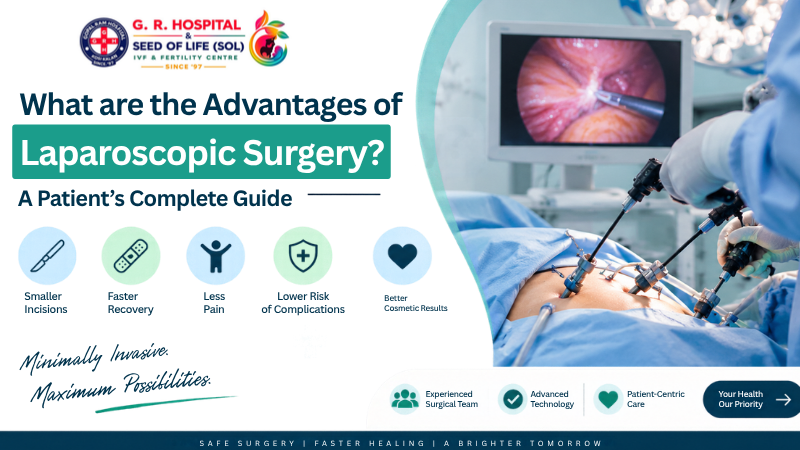
What are the advantages of laparoscopic surgery? A Patient’s Complete Guide
The word surgery can understandably make individuals nervous. It is common to have questions about pain, scars, hospital stays and rehabilitation, especially if surgery has been advised.
Fortunately, improvements in contemporary medicine have made it possible to do many treatments utilizing laparoscopic surgery, also called keyhole or minimally invasive surgery. Laparoscopic surgery is a surgical procedure that doesn't need a big cut. It employs small cuts and specific surgical tools to get to and treat the problem region.
But what, precisely, is laparoscopic surgery? The benefits, and is it right for you?
This guide tells you what patients need to know before having laparoscopic surgery.
What Is Laparoscopic Surgery?
Laparoscopic surgery is a type of minimally invasive surgery that allows surgeons to look at or treat organs inside the belly or pelvis using small incisions.
During the operation, the surgeon makes a small cut and puts in a thin instrument called a laparoscope. The laparoscope features a light and camera allowing the surgeon to see the inside organs on a monitor.
More small incisions may be created to introduce specialized surgical devices.
Laparoscopic surgery is utilized in numerous surgical procedures within various branches of medicine and is especially essential in gynecological surgery. It may be used for endometriosis, ovarian cysts, fibroids, ectopic pregnancy and some hysterectomy procedures depending on the disease.
If you are considering Gynecological Surgery Mathura , it is worth discussing this minimally invasive approach with your specialist.
What are the advantages of laparoscopic surgery?
One of the key reasons for the popularity of laparoscopic surgery is that it allows doctors to perform some treatments without the larger incision of traditional open surgery.
1. Smaller cuts
The most obvious benefit of laparoscopic surgery is the size of the incisions.
Laparoscopic operations are typically done through tiny cuts rather than one large surgical opening. This can mean less disturbance to the surrounding tissues and smaller surgical incisions.
Smaller patient incisions may also result in less visible scars once healing is complete.
2. Less post-operative pain
Laparoscopic surgery usually requires smaller incisions than some similar open surgeries, thus patients may have less pain following the surgery.
However, the amount of discomfort will vary depending on the type and extent of the operation and the individual’s response to surgery.
Post laparoscopic surgery some individuals may also have transient bloating or shoulder tip pain. This is caused by the utilization of carbon dioxide gas in making space in the belly.
3. Less Hospital Stay
Another possible advantage of minimally invasive surgery is a shorter hospital stay.
Some laparoscopic procedures allow patients to go home the same day or the next day, depending on the procedure and the patient’s recuperation.
More complicated surgeries may necessitate a lengthier stay in hospital. Your surgeon will be able to give a more realistic estimate based on the particular procedure being performed.
4. quick recover
Laparoscopic surgery may also help patients recover to their daily activities sooner than they might after equivalent open surgery in many appropriate treatments.
“Smaller wounds and less disruption to tissues may help ensure a smoother recovery.”
However, recuperation time varies from person to person. A simple diagnostic laparoscopy may have a reasonably short recovery period whereas more complex laparoscopic surgery may take several weeks.
5. Less Scarring
For many individuals, scar formation is a major concern.
Laparoscopic surgery is usually done using little cuts rather than a major abdominal incision. When they are healed, the scars may be less visible.
Scars look different on different people, although the cosmetic benefit of the smaller incisions can be considerable.
6. Better visualization for the surgeon
A laparoscope is a small camera that provides a magnified image of the surgery on a monitor.
This allows the surgeon to see interior structures easily and, if necessary, work with specialized devices through small incisions.
This can be very beneficial in gynecological laparoscopic surgery for inspecting organs such as the uterus, ovaries, fallopian tubes and the surrounding tissues of the pelvis.
This precision is one of the reasons many patients choose Laparoscopic Gynae Mathura services for their gynecological care.
What Conditions Can Laparoscopic Surgery Treat?
Depending on the patient’s situation, laparoscopic surgery may be utilized for a variety of diseases.
Some frequent uses in gynecology may include:
- Endometriosis
- Ovarian cysts
- Fibroids of the uterus
- Ectopic pregnancies
- Pelvic adhesions
- Some reproductive health issues
- Some hysterectomy operations
If other tests don't clearly pinpoint the cause of symptoms such as ongoing pelvic pain or some fertility difficulties, laparoscopy can be utilized for diagnosis.
For couples facing fertility difficulties, consulting the Best IVF Centre in Mathura can help identify the right treatment path.
Whether laparoscopic surgery is appropriate depends on the situation and on the particular patient.
Is Laparoscopic Surgery for Everyone?
Nope While there are many potential benefits of laparoscopic surgery, it is not the best option for all patients or all surgeries.
Factors your surgeon may consider include:
- The medical problem being treated.
- The magnitude and the place of the problem
- The difficulty of the technique
- History of prior abdominal or pelvic surgery
- Your overall health
- Other medical issues
- Your plans for fertility
- The surgeon's experience
- If theoretically possible, the minimally invasive approach
Sometimes a surgeon starts with a laparoscopic technique but decides that open surgery is safer or more appropriate. This may occur when unforeseen findings or complications need an extended surgical procedure.
The focus should always be on safe and effective therapy, not only the tiniest possible incision.
What to Expect After Laparoscopic Surgery
Recovery is VERY technique dependent.
Patients may feel transient weariness, stomach discomfort, bloating or shoulder tip pain. Generally these symptoms improve as the body recovers.
Your medical team will provide you advice on wound care, medications, physical exercise, driving, and returning to work.
Don’t compare your recovery to someone else’s. Recovery from laparoscopic surgery might be significantly varied from one person to another.
What Should You Ask Your Doctor?
If your surgeon has proposed laparoscopic surgery, it is appropriate to ask him or her:
- Is laparoscopic surgery the right choice for my condition?
- What are the benefits and hazards for me?
- How long does the operation take?
- How long am I going to be in hospital?
- How long does recuperation take?
- When can I go back to work and routine activities?
- Would this have to be modified to open surgery?
- Will the treatment damage my ability to have children?
Knowing your options might help you feel more prepared and comfortable with your therapy.
Frequently Asked Questions
Is laparoscopic surgery painful?
There is usually some discomfort after laparoscopic surgery, but because the incisions are small, most patients experience less pain than they would after open surgery. Any pain is generally managed well with medicines prescribed by your doctor and improves within a few days.
How long does it take to recover from laparoscopic surgery?
Recovery depends on the type of procedure. Many patients return to light daily activities within a few days to a week, while more complex laparoscopic surgeries may take a few weeks. Your surgeon will guide you on when to resume work, exercise and driving.
How many days do I need to stay in the hospital?
Many laparoscopic procedures allow patients to go home the same day or the next day. More complex operations may need a slightly longer stay. Your surgeon will give you an estimate based on your specific procedure and recovery.
Will laparoscopic surgery leave scars?
The incisions used in laparoscopic surgery are very small, so the scars are usually tiny and fade over time. Most patients find them far less noticeable than the single large scar left by open surgery.
Is laparoscopic surgery safe?
Laparoscopic surgery is considered safe and is widely used across many specialties, including gynecology. Like any surgery, it carries some risks, which your surgeon will discuss with you before the procedure so you can make an informed decision.
Can laparoscopic surgery affect my fertility?
In most cases, laparoscopic surgery does not harm fertility. In fact, it is often used to diagnose and treat conditions that affect fertility, such as endometriosis, ovarian cysts and pelvic adhesions. If you have future pregnancy plans, discuss them with your surgeon before the procedure.
The Right Surgery Is Up to You
Laparoscopic surgery has altered several facets of current surgical care. Appropriate patients may like minimally invasive surgery since it requires smaller incisions, causes less postoperative pain, and results in fewer hospital stays and perhaps a more rapid recovery.
But not all surgeries can be done better laparoscopically than by open surgery.
The correct strategy relies on your diagnosis, your overall health, the intricacy of the surgery and your unique demands.
If your doctor recommends surgery, consider all of the choices with a reputable surgeon. Understanding why a certain strategy has been recommended might help you make an informed decision regarding your care.