
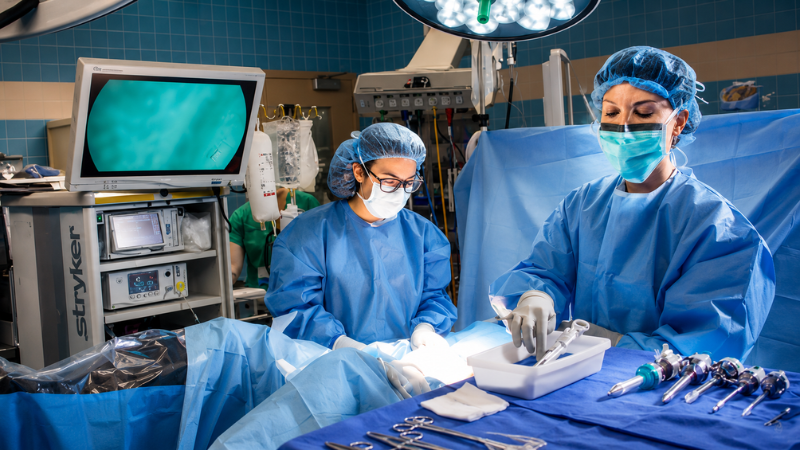
When Is Gynaecological Surgery Needed? Common Conditions and Surgery
Surgery may make anyone nervous. Many women wonder about gynaecological surgery: Is it necessary? Are there alternatives? Will it impair fertility? Will recuperation take long?
Fortunately, gynaecological surgery is not often the primary treatment. The diagnosis, symptoms, age, fertility plans, and overall health may lead a doctor to propose medication, observation, or other non-surgical therapy.
Surgery can be an important therapy choice when symptoms are severe, a condition affects quality of life, other treatments have failed, or a specific problem necessitates surgery.
Knowing when and what alternatives are available for gynaecological surgery can help you have a better conversation with your doctor.
What Is Gynaecological Surgery?
Gynaecological surgery diagnoses and treats disorders affecting the uterus, ovaries, fallopian tubes, cervix, and pelvic tissues.
Surgery may be performed openly, laparoscopically, or hysteroscopically, depending on the situation.
The type of surgery advised depends on the ailment, severity, symptoms, age, medical history, and whether you desire children.
When Is Gynaecological Surgery Needed?
Not all gynaecological conditions need surgery. Your gynaecologist may recommend surgery if:
- Symptoms are severe or persistent
- There is insufficient relief from medication
- The condition affects your quality of life
- There is significant or recurring abnormal bleeding
- A growth or cyst is large, bothersome, or worrying
- Endometriosis causes severe discomfort or reproductive issues
- Fibroids cause heavy bleeding, discomfort, or other issues
- Cancer or abnormal tissue is suspected
- A structural issue affects reproductive health
- A condition requires tissue removal or examination
All decisions should be personal. Your doctor will weigh the pros and downsides of surgery against other treatments.
Conditions That May Need Gynaecological Surgery
1. Uterine Fibroids
Uterine fibroids are noncancerous. Fibroids without symptoms can be monitored. Others can cause heavy or painful periods, pelvic pressure, bleeding between periods, reproductive issues, or discomfort.
When fibroids cause symptoms, impact fertility, or grow large, surgery may be considered.
A popular surgery is myomectomy, which eliminates fibroids while keeping the uterus. Hysteroscopy, laparoscopy, or open surgery can remove fibroids depending on size and location.
A hysterectomy, which removes the uterus, may be considered if fibroids are enormous or previous therapies have failed and future pregnancy is not wanted.
2. Endometriosis
When tissue like the uterine lining grows outside the uterus, endometriosis occurs. It can damage the ovaries, fallopian tubes, and pelvic structures, causing pelvic pain, painful periods, pain during sex, and pregnancy problems.
Medication is often first considered for pain. When symptoms are severe, medicine fails, or endometriosis affects fertility, surgery may be advised.
Laparoscopic surgery can locate and eliminate endometriosis. This technique may also treat ovarian cysts or adhesions.
3. Ovarian Cysts
Fluid-filled ovarian cysts grow on or inside an ovary. Many innocuous ovarian cysts dissolve without therapy after one or two menstrual cycles.
If a cyst is large, symptomatic, or suspected of being malignant, surgery may be advised.
When possible, a cystectomy preserves the ovary. Sometimes an ovary must be removed, which is called an oophorectomy.
Minimally invasive laparoscopic surgery is used where appropriate. Cysts that are larger or malignant may require specialised surgery.
4. Excessive Menstrual Bleeding
Uterine disorders including fibroids and adenomyosis can produce heavy or chronic menstruation.
Surgery is indicated when medicine and other treatments fail to control bleeding.
How to proceed depends on the cause. In some circumstances, hysteroscopy can diagnose or treat uterine issues. Other procedures may be explored in severe instances.
When alternative therapies fail and pregnancy is not wanted, a hysterectomy may be considered for recurrent heavy bleeding.
5. Pelvic or Uterine Prolapse
The uterus moves downward when pelvic organ muscles and tissues weaken, causing pelvic organ prolapse.
Pelvic floor exercises, lifestyle changes, and other non-surgical treatments can treat mild instances. Prolapse that disrupts everyday life may require surgery.
The organs involved and the severity of the prolapse determine the procedure.
6. Adenomyosis
Tissue that lines the uterus developing into its muscular wall is called adenomyosis. Period pain, severe bleeding, and pelvic pain can result.
Treatment varies based on symptom intensity and fertility preservation.
Hysterectomy may be the last resort for serious symptoms and failed treatments.
Common Types of Gynaecological Surgery
Laparoscopic Surgery
Laparoscopy uses a tiny, illuminated laparoscope through small abdominal incisions for minimally invasive surgery.
This treatment can address endometriosis, ovarian cysts, fibroids, and some hysterectomy procedures.
Minimally invasive abdominal surgery can involve smaller incisions and faster recovery than open abdominal surgery when clinically suitable.
Hysteroscopy
Gynaecologists use a thin instrument introduced through the vagina and cervix to perform hysteroscopy.
It can diagnose and treat uterine fibroids and other disorders.
Myomectomy
Myomectomy removes uterine fibroids without removing the uterus. Women who want to keep their uterus or fertility may consider it.
Hysteroscopy, laparoscopy, or open surgery may be used depending on fibroid size and location.
Hysterectomy
The uterus is removed during a hysterectomy. The cervix, fallopian tubes, and ovaries may also be removed depending on the condition and surgery strategy.
It is a significant procedure considered after alternative therapeutic choices, or when there is a specific need to remove the uterus.
Hysterectomy can be performed vaginally, laparoscopically, or through an abdominal incision for benign disorders.
Does Gynaecological Surgery Impact Fertility?
This is one of the most crucial topics for reproductive-age women.
The answer varies based on the surgical type and the underlying condition.
Myomectomy and ovarian cyst removal may preserve reproductive organs. Other operations, including hysterectomy, permanently remove the uterus, preventing conception.
Discuss fertility goals with your gynaecologist before surgery if you want children. In such cases, a fertility specialist may plan treatment.
What Precedes Gynaecological Surgery?
Your gynaecologist will assess your symptoms, medical history, and suspected condition before considering surgery.
Investigations may involve pelvic exams, ultrasounds, blood tests, or other imaging or diagnostic techniques.
Your doctor should explain:
- Why surgery is advised
- What procedure is being considered
- Whether alternatives are available
- The risks and advantages
- Whether fertility is affected
- The expected recovery
- What to expect before and after the operation
Understanding these points helps you make an informed treatment selection.
Recovery After Gynaecological Surgery
Recovery varies greatly by surgery type, technique, and overall health.
Some minimally invasive procedures allow patients to return to normal activities sooner than open procedures due to smaller incisions. Recovery times vary by person.
Physical activity, medications, wound care, follow-up appointments, and when you can safely return to work or other activities will be advised by your medical team.
When Should You See a Gynaecologist?
Continued pelvic pain, unusually heavy periods, atypical bleeding, pain during intercourse, unexplained fertility issues, or ovarian or uterine symptoms should not be overlooked.
Gynaecological surgery may be needed. Knowing the cause is the first